If you own a car in Columbia, you already know what our roads and weather can do to glass. Highway construction throws up gravel, summer sun bakes seals, and a sudden cold snap can turn a small chip into a full crack before you finish your morning coffee. Windshields are no longer just panes of safety glass, either. They’re structural, sensor-laden components that talk to your car’s computers and help determine whether your anti-collision system sees a bicyclist or a mailbox. That’s why the choices you make about auto glass replacement in Columbia carry more weight than they did a decade ago.
I’ve spent years around auto glass shops and body repair bays, watching technicians juggle glass fitments, urethane cure times, camera calibrations, and customers who just need to get back to work. What follows blends that practical experience with a clear view of the technology now hiding in plain sight on your windshield and side windows. It’s written for drivers who want durable, safe results without paying for features they don’t need.
How a windshield actually protects you
Laminated glass might look like a single sheet, but it’s typically two layers of glass bonded to an inner plastic layer called PVB, or polyvinyl butyral. When a rock strikes, the outer layer may fracture, but the PVB holds the sandwich together. This design keeps occupants inside the cabin during a crash, resists roof collapse by contributing to the vehicle’s structural integrity, and provides a mounting surface for airbags that deploy against it. On many vehicles, the windshield helps support up to 30 percent of roof strength during a rollover. That’s not trivia, it’s the reason a rushed install or low-quality adhesive can undermine crash performance.
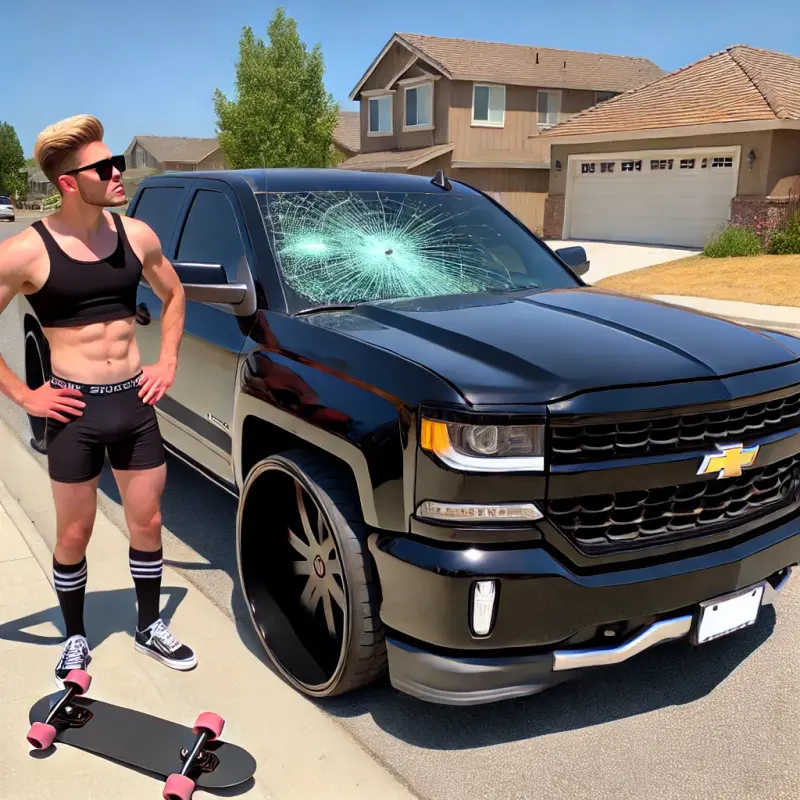
Back glass and most door windows, by contrast, are tempered glass. Tempering creates internal stresses so the pane shatters into small, rounded pieces rather than sharp shards. Laminated side glass exists, but it’s less common outside of premium or security-focused models. Knowing whether you have laminated or tempered side windows matters for car window repair in Columbia, because tempered cannot be safely repaired once it cracks.
Common damage in Columbia and what it means
Chip, star, bullseye, crack, combination break — the trade uses names for break patterns because they predict success or failure of a repair. A tiny bullseye smaller than a quarter can often be stabilized with resin. A long crack that starts on the edge tends to grow under heat cycling, even if you fill it. Add in local car window replacement columbia conditions: a hot windshield hit by a cold rain, or a cold morning followed by direct sun at mid-day, and marginal chips worsen fast. When someone calls for windshield repair in Columbia after a rock hit on I-26, the first question a good technician asks is how large the damage is, how close to the edge, and whether it sits in the driver’s primary viewing area.
Here’s the general rule I see play out: if the chip can be covered by a quarter, sits away from the edges, and hasn’t collected dirt and moisture for weeks, windshield chip repair in Columbia is often worth trying. If the crack extends more than six inches, or radiates from the edge, you’re looking at windshield replacement in Columbia for a safe, lasting fix. Many auto glass services in Columbia will examine the break under polarized light to assess subsurface fractures before committing to a repair.
The technology living in your windshield
Ten years ago, a windshield was glass and a mirror button. Now it can be a nest for cameras, infrared heaters, acoustic dampers, HUD projectors, humidity sensors, rain sensors, and radio antennas. These aren’t add-ons, they’re embedded in the glass or bonded to it.
- ADAS camera mounts: Adaptive cruise, lane keeping, forward collision warning, and automatic high beams typically feed from a camera mounted behind the glass near the rearview mirror. The glass in front of the camera is optically precise and often includes a special clear “window” or bracket. After replacement, the camera must be calibrated so it reads the road correctly. Acoustic interlayers: If your cabin feels unusually quiet, your windshield probably carries an acoustic PVB layer that damps certain sound frequencies. The difference is noticeable on highway runs. Swapping to non-acoustic glass can raise cabin noise by several decibels. Solar and infrared coatings: Some windshields carry a thin metallic layer that reflects infrared heat. It cuts summer heat soak and eases the load on the AC. These coatings can interfere with toll tags and radar detectors, so cars often have a “toll window” area near the mirror with no coating. Heated zones and wiper park heaters: Fine conductive wires or a transparent layer can de-ice the sweep area or the wiper rest zone. In Columbia’s occasional freezes, that’s a convenience, but it matters during installation because the electrical connectors must be correctly routed and tested. Heads-up display (HUD) wedge: HUD windshields use a slight wedge or a special laminate to prevent double images. Using non-HUD glass on a HUD-equipped car produces a ghosted projection that irritates the eyes on night drives.
Before you book auto glass replacement in Columbia, look for the tiny etchings in the corner of your current glass. They reveal the glass maker, compliance marks, and often codes for acoustic or solar layers. Your VIN can also tell the auto glass shop in Columbia which options your trim carries. Guessing is a quick way to end up with a lane camera that can’t see or a HUD that ghosts.
OEM, OEE, aftermarket: what the labels really signal
Shops and insurers throw around acronyms that confuse customers. Here’s how to think about them without marketing gloss.
Original Equipment Manufacturer (OEM) glass is made by the same supplier that produced the windshield for the car assembly line. It carries the car brand logo. Fit, curvature, frit band placement, and sensor windows match the original part number. On vehicles with sensitive ADAS camera geometry or HUD optics, I’ve seen OEM minimize calibration headaches, though good aftermarket can perform similarly if it’s built to the same spec.
Original Equipment Equivalent (OEE) usually refers to glass made by an OEM supplier but not sold through the automaker’s branded channel. The shape and specs can be identical to OEM. Pricing tends to be lower. Some insurers prefer OEE because it hits the quality mark without the logo.
Aftermarket can mean anything from top-tier glass made to OE tolerances to budget panels with acceptable safety ratings but looser curvature control. On cars without ADAS or HUD, I’ve installed high-quality aftermarket with no issues. On camera-heavy models, I lean toward OEM or OEE to reduce the chance of distortion in the camera’s field or long calibration times.
When a shop quotes you for windshield replacement in Columbia, ask which category they’re supplying, and why. If your vehicle has a HUD or a rain sensor, insist that the glass matches those features, not just the general shape. A hundred dollars saved on glass can turn into two days of extra calibration and a non-functioning lane keep system.
What proper installation looks like behind the scenes
The cleanest installs I’ve watched follow a predictable flow. The cowl panel and trim come off without cracking clips. The old urethane bead is cut, leaving a uniform “shelf” of well-adhered material on the pinch weld. The metal edge is inspected for rust, especially on older cars where a previous replacement might have nicked paint. Any bare metal gets primed. The glass is dry-fitted to confirm alignment, then lifted out. New urethane is applied in a consistent V-bead with the right nozzle height. The glass goes in once, seated evenly, centered by marks made during the dry fit. All sensor connectors are reattached. The vehicle sits undisturbed for the urethane’s safe drive-away time, which varies by product, bead size, temperature, and humidity.
That safe drive-away time matters more than most people realize. A proper OEM-grade urethane can reach minimum collision readiness in about 30 to 90 minutes under good conditions. Columbia summers are friendly to cure rates. Cold or very humid weather slows it down. A mobile auto glass Columbia technician will often ask to use your garage or to schedule for midday when temps favor curing.
If your windshield hosts an ADAS camera, calibration follows. There are two broad approaches. Static calibration uses targets placed at measured distances and heights in front of the car, with a scan tool guiding the process. Dynamic calibration requires a road drive under specific conditions, usually with visible lane markers and speeds above a set threshold. Some vehicles demand both. Shops that offer mobile calibration set up portable targets, but many prefer bringing the car into a dedicated space where lighting, floor level, and measuring tools are controlled. If your auto glass shop in Columbia sublets calibration to a dealer or a specialty alignment shop, that’s not a red flag. It just means they respect the process.
Repair or replace: making the call with money and safety in mind
Smaller chips can be stabilized quickly, often in thirty minutes, and cost a fraction of a new windshield. Done well, resin repair restores structural integrity and stops spreading. It may leave a faint blemish if you look from the right angle. If the chip sits in the driver’s direct sight, some states discourage repair because it can create a small optical distortion. If you drive long nighttime stretches, you may be more sensitive to those marks.
Replacement brings you a clear pane, but it adds labor and calibration costs. On ADAS-equipped vehicles, I’ve seen total bills range from the low hundreds for a base sedan with no cameras to more than a thousand for a luxury SUV with HUD, solar glass, rain sensors, lane cameras, and heated zones. Insurance policies often include glass coverage with a reduced deductible. In Columbia, many windshield repair claims don’t raise your premiums, but check your specific policy. If you carry only liability coverage, glass replacement is out of pocket.
There’s a gray zone where a long crack hasn’t reached the edge and lives high on the passenger side. Some people try a repair to buy time. I’ve watched those repairs hold for months, and I’ve seen them fail after the next heatwave. If you’re planning a long road trip in July, I’d replace. If you’re selling the car in two months, a repair might keep the crack stable and the cabin dry at minimal cost.
Mobile or in-shop service: which is smarter for your situation
Mobile auto glass in Columbia shines when your schedule won’t allow a shop visit. A well-equipped van can handle most windshield and door glass replacements in a driveway or parking lot. That said, a controlled shop environment still helps in two areas: curing and calibration. Strong wind, dust, or rain complicate urethane work. If the forecast looks ugly or you lack a clean space, rescheduling or heading to the shop saves headaches.
ADAS calibration often tips the decision. Static calibration needs room for precise target placement. If your vehicle requires dynamic calibration only, mobile service remains practical. If it needs static, a shop with level floors and known lighting wins. A good mobile team will ask for photos of your parking area, talk through the vehicle’s features, and be transparent about when they can perform the full job versus when a follow-up calibration appointment is necessary.
Side glass and back glass: different materials, different realities
A broken front door window at 10 p.m. after a break-in poses different challenges than a chipped windshield. Tempered side windows usually shatter completely. There’s no repair, only replacement. Vacuuming shattered glass from door cavities and seats takes time, and it’s smart to inspect weatherstripping for tiny fragments that cause squeaks later. Some models route antenna lines through back glass. If you lose rear defroster function after a replacement, check the connectors and tabs. I’ve seen a small percentage of back glass replacements require a rework because a defroster grid tab snapped during install.
Laminated side glass is heavier and resists forced entry better, but it costs more and requires different handling. If your trim level uses laminated fronts and tempered rears, be sure the shop orders the correct door glass. The wrong pick will fit the door but won’t match noise levels or safety intent.
The ADAS calibration puzzle, demystified
Owners often ask why calibration costs feel high. The short answer is that you’re paying for time, training, targets, and tooling. The long answer involves geometry and liability. A camera misaligned by half a degree can push lane centering off by a foot at highway speeds. That’s enough to cause a drift you constantly correct without understanding why you’re tired after a commute. Proper calibration needs accurate ride height, correct tire pressures, a level floor, and a battery on a charger so the camera doesn’t time out mid-procedure.
On some makes, a windshield change resets not only the forward camera but also the steering angle sensor, radar alignment, and even blind-spot sensors if they live in the rear. The shop’s scan tool will document pre- and post-procedure codes. Ask for that printout. It’s your proof that the system sees straight.
Cost factors unique to Columbia drivers
Local life influences glass life. Construction along I-20 and I-26 means aggregate and debris. Summer UV cooks dashboards and seals, which accelerates delamination around the edges on older, sun-beaten glass. Sudden thunderstorms dump cold rain onto hot glass, encouraging small chips to spider. Factor those conditions into your timing. If you spot a chip in June, waiting until August usually makes it worse.
Pricing in the Columbia area varies with glass type, features, and supply. Standard laminated glass for a compact sedan with no sensors might run in the 200 to 400 dollar range including basic install. Add rain sensors and acoustic laminate, and you’re closer to 400 to 700. Toss in HUD, solar coatings, heating elements, and camera calibration, and you may see 800 to 1,500. These are ballpark figures, but they’ll orient your expectations before you call an auto glass shop in Columbia.
Insurers sometimes steer customers to preferred networks. That’s fine if the shop understands your vehicle’s tech and uses proper materials. If you prefer a specific shop because you trust their work, tell your insurer. Many policies allow customer choice, though they may reimburse at a network rate. Clarify whether ADAS calibration is covered in full. It’s better to know before the glass is out.
The quiet details that separate good work from mediocre
I pay attention to the frit band — the black ceramic border around the glass. It hides adhesive and protects it from UV. A sloppy install leaves urethane smeared onto visible glass or shows gaps near the corners. Inside, the mirror button should sit square, the sensor housings clip flush, and the rain sensor gel pad should show no bubbles. Wiper marks should fall where they did before. Exterior moldings should seat tight without ripples.
Listen while driving. Wind noise rising above 40 mph around the A-pillars suggests a gap in molding or a glass alignment off by a few millimeters. Water testing with a hose can confirm. If you hear a whistle, don’t accept it. A careful shop will reseat trim or reset the glass if needed.
For chip repairs, look for a technician who drills only when necessary, uses vacuum cycles to remove air, warms the glass slightly to encourage resin flow, and finishes with a proper cure under UV light. The best chip repairs are almost invisible and flat to the touch.
When mobile beats the clock, and when a shop visit saves the day
You’re at work when a dump truck tosses a pebble at your windshield. Mobile service gets you back on your feet without rearranging your schedule. If your car lacks ADAS and the weather cooperates, you’ll hardly miss a beat. If you drive a late-model SUV with lane keeping and HUD, I’d lean toward an in-shop visit. You’ll get calibration done in one go, and the controlled environment reduces rework risk. Both approaches fall under the umbrella of auto glass services in Columbia, and smart shops will guide you to the right setting rather than forcing your situation into their workflow.
Working with an auto glass shop you can trust
Trust shows up in small behaviors. A shop that asks for your VIN before quoting wants to match features. When they schedule, they talk about safe drive-away time, not just appointment duration. If your car has ADAS, they mention calibration and explain whether it’s static, dynamic, or both. They carry proper AGRSS-compliant adhesives and can state cure times for the day’s temperature. They show you the glass label so you can confirm features like acoustic interlayer or HUD compatibility.
If you’re evaluating options for vehicle glass repair in Columbia, call two or three shops. The lowest price can be fine, but weigh it against answers you trust. A shop willing to pass on a questionable repair and recommend replacement earns points. So does a team that turns down a mobile appointment on a windy, rainy day and reschedules rather than risk contamination in the urethane bead.
Practical care tips that make glass last longer
You can’t dodge every pebble, but you can keep small issues from becoming big ones. Don’t blast the defroster from max cold to max hot on a freezing morning with a chip in the glass. The thermal shock can run a crack. Keep your wipers fresh so grit doesn’t etch arcs across the windshield. Hand wash with a soft mitt rather than hitting abrasive drive-through brushes after a new install. For the first 24 hours after a replacement, avoid slamming doors, remove hard car washes from your itinerary, and leave one window slightly cracked if the day gets hot to reduce interior pressure spikes on uncured adhesive.
If a chip appears, tape it with clear packing tape to keep out moisture and dirt until you can get windshield chip repair in Columbia. Dry, clean breaks heal better with resin and disappear more completely.
A short, useful checklist for your next service
- Confirm features: ADAS camera, HUD, rain sensor, acoustic or solar glass, heating elements. Ask the shop which glass grade they’re using: OEM, OEE, or aftermarket, and why. Discuss calibration needs and where it will be performed. Get the day’s safe drive-away time based on adhesive and weather. Request pre- and post-calibration or scan documentation for your records.
Where mobile auto glass fits into busy Columbia life
Between school runs off Garners Ferry and a job that keeps you downtown, dropping a car at a shop can derail a day. Mobile auto glass Columbia teams exist for exactly that reason. They can meet you at an office park in the Vista or at home near Lake Murray, set up a clean perimeter, and complete a replacement without you leaving your desk. For simple car window repair in Columbia where tempered glass needs replacement, mobile service is often the fastest path back to a secure car. If calibration is required, many mobile crews can complete the dynamic drive after installation or coordinate a quick follow-up appointment nearby. Transparency about what will be done on-site versus in a controlled space is what you want to hear.
Cracked windshield choices and when to pull the trigger
A cracked windshield in Columbia isn’t just an aesthetic bother. The state trooper eye test is real, and visibility matters on Piney Grove Road at dusk when oncoming glare hits every flaw. If the crack is creeping across the driver’s side, you’re already on borrowed time. If it’s short and high on the passenger side, you might wait a week until your schedule opens. Just don’t wait months. Heat cycles and vibrations expose the limits of even the best resin stabilizations. By the time a crack threads into the edge or branches in multiple directions, replacement is the responsible path.
Final perspective: value lives in the outcome, not the buzzwords
Auto glass replacement Columbia providers range from one-van operations to large shops with calibration bays. Both can deliver excellent results when the fundamentals are respected. The glass must match your vehicle’s features, the adhesive must bond perfectly to prepped surfaces, and the sensors must see the world the way the engineers intended. After that, it’s the small touches: clean trim, quiet seals, clear documentation, and honest guidance on repair versus replacement.
Windshields tie together safety, comfort, and technology more than most drivers realize. Treat the decision like you would a brake job or tire selection. Ask questions, prioritize fit and function, and choose the team that shows their work. The next time a gravel truck showers I-77, you’ll be glad you did.